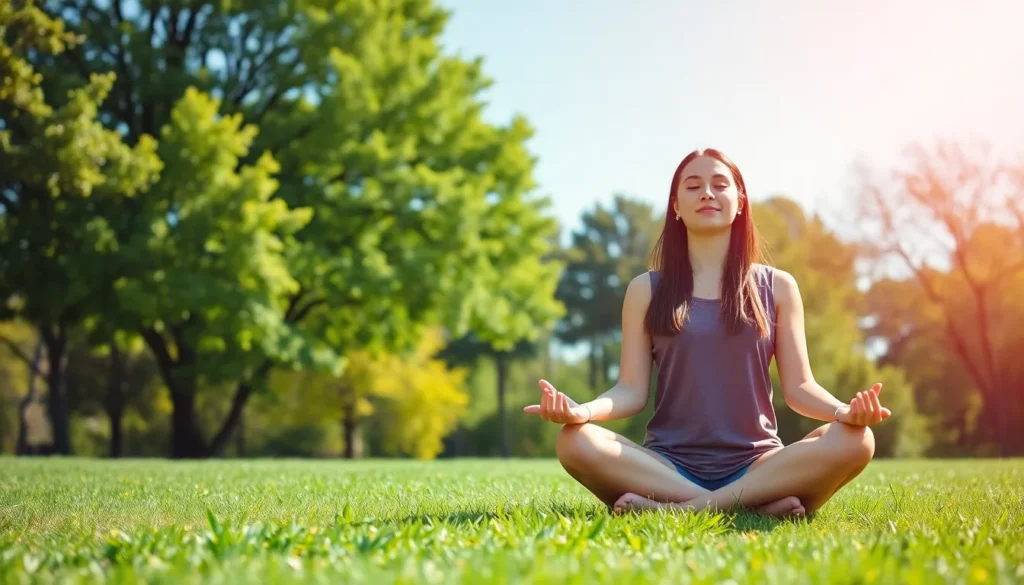
Anxiety can feel like a relentless rollercoaster ride—thrilling at first, but ultimately leaving you dizzy and wishing you’d stayed on solid ground. Luckily, mindfulness practices are like that trusty seatbelt that keeps you grounded while navigating life’s twists and turns. By focusing on the present moment, these techniques help calm the racing mind and bring a sense of peace amidst the chaos.
Table of Contents
ToggleOverview Of Mindfulness Practices For Anxiety
Mindfulness practices serve as effective strategies for managing anxiety. These techniques focus on bringing attention to the present moment, reducing the impact of anxious thoughts. Techniques such as deep breathing, meditation, and body scanning help create mental space.
Deep breathing exercises encourage individuals to concentrate on their breath. By inhaling slowly and exhaling fully, they trigger the body’s relaxation response. Meditation, on the other hand, promotes awareness and acceptance of thoughts without judgment. Regular practice, even for a few minutes daily, enhances emotional resilience.
Body scanning involves paying attention to physical sensations throughout the body. This practice fosters awareness and connection, helping individuals identify areas of tension. Engaging in these mindfulness techniques allows people to shift their focus from worries about the future to the current moment.
Integrating mindfulness into daily routines enhances overall well-being. Short sessions of mindful walking or eating can transform ordinary activities into calming experiences. Various resources, such as apps and guided sessions, offer support for those new to these practices.
Consistent implementation of mindfulness practices not only helps to alleviate anxiety but also fosters a greater sense of self-awareness. Through dedication and practice, individuals can cultivate a more peaceful mindset, ultimately leading to improved mental health.
Benefits Of Mindfulness Practices
Mindfulness practices offer various benefits for individuals managing anxiety. These techniques not only cultivate a sense of peace but also empower emotional resilience.
Reducing Stress
Mindfulness exercises significantly lower stress levels. Research from the American Psychological Association indicates that regular mindfulness practice can reduce cortisol, the stress hormone. Implementing deep breathing and meditation helps ground individuals in the present moment. A person focused on their breath can more easily navigate stressors without becoming overwhelmed. Engaging in mindful activities daily creates a buffer against anxiety, fostering long-term stress resilience. Practicing awareness during routine activities, such as eating or walking, reinforces relaxation and promotes overall well-being.
Enhancing Emotional Regulation
Mindfulness increases emotional regulation through improved self-awareness. Individuals trained in mindfulness report better recognition of their emotions before they escalate. Techniques such as meditation and body scanning encourage acceptance of thoughts without immediate reaction. This process creates a space for thoughtful responses, rather than impulsive reactions. As a result, emotions may feel less intense and more manageable. Studies show that individuals practicing mindfulness demonstrate enhanced emotional clarity and stability, contributing to healthier relationships and a more balanced life.
Popular Mindfulness Practices
Mindfulness practices offer effective methods for managing anxiety. Techniques like meditation, breathing exercises, and body scans provide individuals with tools to cultivate awareness and tranquility.
Meditation Techniques
Meditation involves focusing one’s mind for enhanced clarity and calmness. Practices such as guided meditation use audio resources to facilitate relaxation. Transcendental meditation requires repeating a mantra to settle thoughts. Mindful meditation emphasizes observing thoughts non-judgmentally, helping individuals detach from anxiety. Regular meditation has been linked to reduced symptoms of anxiety and increased emotional regulation.
Breathing Exercises
Breathing exercises serve as quick ways to reduce stress. Techniques vary, including diaphragmatic breathing where individuals breathe deeply into the abdomen. Box breathing uses a four-count pattern, promoting relaxation through structure. Alternate nostril breathing balances energy and calms the nervous system. Focused breathing helps individuals reconnect with the present moment, making it easier to manage anxious feelings.
Body Scan
The body scan technique enhances self-awareness by encouraging individuals to notice physical sensations. Participants begin by focusing on their toes, gradually moving up through the body. This practice identifies areas of tension and promotes relaxation as attention shifts. Engaging with bodily sensations fosters a greater connection between mind and body. Regular practice not only helps manage anxiety but also nurtures a deeper understanding of mental and physical states.
How To Incorporate Mindfulness Into Daily Life
Incorporating mindfulness into daily routines helps manage anxiety effectively. Simple adjustments can create a positive impact on overall well-being.
Setting Aside Time
Schedule specific moments throughout the day for mindfulness practices. Morning sessions provide a fresh start, while evening routines encourage reflection. Even short intervals of five to ten minutes are beneficial. Use reminders or alarms to maintain consistency. Turning these practices into habits fosters a deeper connection with the self. Consider linking mindfulness activities to existing routines, such as sipping coffee mindfully or engaging in breathwork before meals. This method blends seamlessly into daily life.
Creating a Mindful Environment
Cultivating a mindful environment enhances practice benefits. Choose a clutter-free space to minimize distractions. Incorporating calming elements, such as plants, candles, or serene music, creates a soothing atmosphere. Use soft lighting to promote relaxation and focus. Making this space personal offers further encouragement to engage in mindfulness. Additionally, establishing a designated area for mindfulness practice signals the brain that it’s time to unwind. Embracing these changes can transform any household environment into a sanctuary of calm.
Mindfulness practices offer a powerful approach to managing anxiety. By grounding individuals in the present moment these techniques serve as vital tools for navigating life’s ups and downs. Regular engagement with practices like deep breathing and meditation cultivates emotional clarity and stability.
Incorporating mindfulness into daily routines not only enhances self-awareness but also promotes a sense of peace. With consistent practice individuals can experience significant reductions in stress and improved mental health. The journey toward greater well-being is attainable and mindfulness can be an essential step in that direction.