In a world buzzing with distractions, teaching kids mindfulness might just be the ultimate superpower. Imagine a child who can pause, breathe, and focus amid the chaos of school, sports, and sibling shenanigans. Mindfulness practices for kids aren’t just trendy buzzwords; they’re essential tools for cultivating calm and resilience in young minds.
These practices can transform tiny tornadoes of energy into mindful mini-masters, ready to tackle life’s challenges with a smile. From breathing exercises that can rival a dragon’s puff to playful activities that make meditation feel like a game, there’s something for every child. Embracing mindfulness can help kids navigate their emotions and boost their concentration, all while having a blast. So grab a cozy spot and get ready to explore the world of mindfulness that could turn your little whirlwind into a zen master.
Table of Contents
ToggleOverview of Mindfulness Practices for Kids
Mindfulness practices for kids focus on enhancing their emotional and mental well-being. These techniques equip children with tools to address distractions, fostering resilience in daily situations. Breathing exercises form a core component of mindfulness, helping kids cultivate awareness of their thoughts and emotions.
Activities such as mindful listening encourage children to concentrate on sounds around them. This engagement not only sharpens attention but also builds their capacity to remain present. Movement-based practices, like yoga or simple stretches, integrate physical activity with mindfulness, promoting a sense of calm.
Visualization techniques, such as imagining a peaceful place, assist in fostering relaxation. Guided imagery can transport children to comforting settings, enhancing their ability to cope with stress. Additionally, incorporating mindfulness into storytelling allows kids to reflect on their feelings, providing a deeper understanding of their emotional landscape.
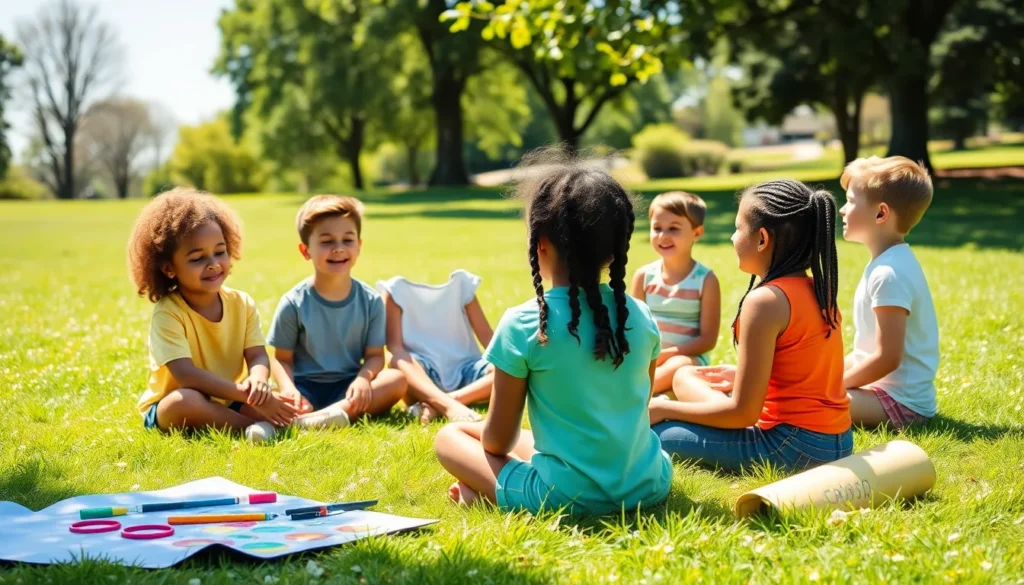
Art-based activities also serve as valuable mindfulness tools. Drawing or painting promotes self-expression while encouraging focus. Participation in these activities brings kids into the moment, cultivating a natural form of mindfulness.
Structured routines that integrate mindfulness practices can create a positive learning environment. Consistency in these practices helps instill beneficial habits, making mindfulness a regular part of daily life. Children thrive on routine; therefore, incorporating short mindfulness sessions into their day enhances their focus and emotional regulation.
Overall, mindfulness practices for kids provide numerous benefits. These techniques transform how children manage emotions, enhancing their concentration and resilience. Through engaging and interactive methods, mindfulness becomes a fun and essential life skill.
Benefits of Mindfulness for Children
Mindfulness practices offer numerous advantages for children’s development. Incorporating mindfulness cultivates emotional intelligence and resilience.
Emotional Regulation
Emotional regulation improves significantly with mindfulness training. Children learn to identify emotions as they arise, fostering self-awareness. Practices like focused breathing help them manage anxiety and stress effectively. Through mindful activities, kids develop strategies to calm themselves in overwhelming situations. They grasp the ability to pause before reacting, leading to better decision-making. Techniques such as visualizing calming environments contribute to this emotional stability. During challenging moments, the skills gained from mindfulness become essential tools for coping.
Improved Focus and Attention
Mindfulness enhances children’s focus and attention spans. Engaging in practices like mindful listening sharpens their ability to concentrate on tasks. When children learn to stay present, distractions diminish. Utilizing breathing exercises before activities primes them for better attention. Regular mindfulness practice strengthens neural connections linked to focus. Movement-based exercises, such as yoga, promote a grounded sense that aids sustained attention. As children embrace these tools, academic performance and social interactions benefit greatly. Enhanced focus equips them to navigate the complexities of daily life with confidence.
Different Types of Mindfulness Practices
Mindfulness practices offer varied approaches to help children develop focus and emotional regulation. Engaging in different types creates more opportunities for them to connect with themselves and their surroundings.
Breathing Exercises
Breathing exercises anchor children to the present moment, fostering relaxation. Techniques like deep belly breathing involve inhaling through the nose, filling the lungs, and exhaling slowly through the mouth. Another method, called “five-finger breathing,” allows kids to trace their fingers while breathing in and out, providing a visual way to calm the mind. These exercises improve concentration and help manage stress during challenging situations.
Guided Imagery
Guided imagery helps children visualize peaceful scenarios, promoting calmness and emotional clarity. Practitioners often create a narrative that leads kids to imagine serene environments, such as a beach or a forest. This practice enhances creativity while teaching kids to tap into their imagination for comfort and relaxation. It encourages self-reflection, enabling them to process emotions positively.
Movement-Based Practices
Movement-based practices like yoga combine physical activity with mindfulness. Children’s yoga introduces poses that encourage balance, flexibility, and focus. Activities such as walking mindfully can turn outdoor play into a mindful experience. These practices teach children how to connect their bodies with their breath, enhancing awareness and calmness. Encouraging playful movement transforms exercise into a joyful expression of mindfulness.
Implementing Mindfulness in Daily Life
Incorporating mindfulness into daily routines significantly benefits children’s emotional and mental well-being. Strategies can vary between home and school environments.
Home Practices
Home offers an ideal space for introducing mindfulness. Family breathing exercises can create a calming atmosphere. Simple activities like mindful eating encourage children to focus on flavors, textures, and sensations. Engaging kids in nature walks promotes sensory awareness and relaxation. Guided imagery sessions allow children to visualize serene places, enhancing creativity and emotional clarity. Regular check-ins foster open conversations about feelings and thoughts, reinforcing connection and emotional expression. Incorporating these activities consistently helps children develop mindfulness as a life skill.
School Programs
Schools play a crucial role in fostering mindfulness among children. Implementing mindfulness curricula enhances focus in classrooms. Breathing techniques, practiced during transitions, prepare students for learning. Mindful listening exercises engage students during group discussions, sharpening attention and respect for one another. Afternoon yoga sessions can relieve stress and improve focus post-lunch. Encouraging teachers to model mindfulness establishes a supportive learning environment. Structured school programs cultivate lifelong mindfulness habits that students can carry beyond the classroom.
Mindfulness practices offer invaluable tools for children to navigate their emotions and enhance their focus. By incorporating engaging techniques into daily routines, kids can develop resilience and emotional regulation. These practices not only foster a sense of calm but also promote creativity and self-awareness.
As parents and educators embrace mindfulness, they create supportive environments that nurture children’s well-being. The journey toward mindfulness can be enjoyable and transformative, equipping kids with essential skills to face life’s challenges with confidence. Embracing these practices today can lay the foundation for a more mindful and resilient tomorrow.