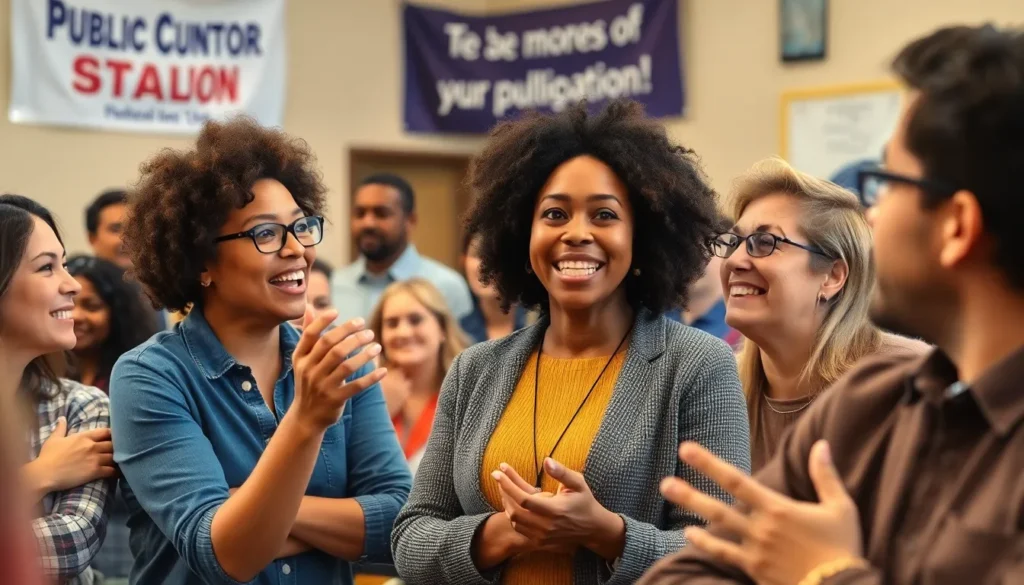
Public commentary is the unsung hero of democracy, where every voice counts—even the ones that might need a little more caffeine. It’s not just about sharing opinions; it’s about shaping policies, influencing decisions, and occasionally unleashing a wave of witty banter that keeps officials on their toes. In a world where social media reigns supreme, public commentary has evolved into a powerful tool for citizens to weigh in on issues that matter.
Imagine a lively debate where everyone’s invited, from the passionate activist to the neighbor who just wants to know why the local park’s fountain is still dry. This vibrant exchange of ideas can spark change, foster community engagement, and maybe even lead to a few laughs along the way. Dive into the world of public commentary, where every opinion is a potential game-changer and humor is just another way to make a point.
Table of Contents
ToggleOverview of Public Commentary
Public commentary serves as a vital component of the democratic process. It enables citizens to articulate opinions, fostering engagement that influences policy decisions. Each voice contributes uniquely, creating a dynamic platform for debate. Local initiatives often showcase public commentary, resulting in increased community involvement.
Citizens express diverse perspectives through various channels, including town hall meetings, online forums, and written submissions. Engaging in these discussions often leads to actionable outcomes, highlighting the impact of collective insight. Government agencies frequently solicit public feedback during legislative processes, allowing constituents to weigh in on proposed regulations.
Platforms for public commentary vary significantly. Traditional methods, such as public hearings, facilitate direct interactions between policymakers and the community. Meanwhile, digital platforms expand accessibility, encouraging broader participation. These avenues empower individuals, ensuring that multiple viewpoints shape critical decisions.
Humor and creativity often enliven public discussions. Meetings and forums transform into lively exchanges, as participants advocate passionately for their beliefs. Inviting humor into debates enhances engagement, fostering a more approachable atmosphere for all involved.
Impacts of public commentary extend beyond immediate discussions. Long-term, it builds trust between governing bodies and the public, cultivating a sense of ownership in policy outcomes. Each contribution reinforces the importance of maintaining open lines of communication. Ultimately, public commentary not only shapes policies but also strengthens the fabric of democratic society.
Importance of Public Commentary
Public commentary plays a crucial role in democracy. It empowers citizens to voice their opinions on policies and engage with each other.
Enhancing Community Engagement
Public commentary fosters a sense of belonging among community members. Citizens gather through town hall meetings, online forums, and written submissions to connect over shared concerns. Participation in public discussions encourages collaboration and teamwork. Active engagement cultivates relationships among residents, government officials, and organizations alike. Additionally, humor and creativity add an enjoyable element, transforming sometimes tense discussions into lively exchanges. Citizens often feel inspired to participate when they see their peers involved. Ultimately, the collective effort strengthens community ties and encourages a more robust democratic process.
Influencing Policy Decisions
Public commentary significantly impacts policy decisions. Feedback from citizens shapes proposed regulations and legislation. Government agencies often seek input to understand the community’s needs and priorities. This interaction offers valuable insights that representatives cannot ignore. Engaged citizens present unique perspectives that inform decision-making. Transparent dialogues between the public and government lead to more representative policies. Furthermore, successful outcomes from public commentary illustrate its power in shaping effective governance. When opinions are considered, constituents feel valued and respected. This reciprocal relationship enhances trust in the system and promotes a more accountable government.
Types of Public Commentary
Public commentary occurs through various formats, enabling effective citizen engagement. Each type allows for distinct interactions in the democratic process.
Written Comments
Written comments present one of the primary methods for public commentary. Individuals submit documents detailing their opinions, often to government agencies or organizations seeking feedback. Written submissions can clarify issues while providing thorough insights on specific topics. Utilizing email, online forms, or public comment sections encourages participation from diverse audiences. Stakeholders often document specific concerns, recommendations, or support for proposed legislation. Structured and thoughtful, written comments enhance the decision-making process by capturing nuanced perspectives.
Oral Testimonies
Oral testimonies enable live, direct engagement during public hearings or community meetings. Participants express their views in real-time, fostering dynamic dialogue. These spoken contributions often generate immediate reactions from attendees and decision-makers alike. Individuals share personal stories or data to support their arguments, engaging the audience effectively. Diverse voices contribute to a richer understanding of community perspectives, ensuring more representative discussions. Oral testimonies promote active participation, enhancing the democratic process through personal interactions that written comments may not capture.
Challenges in Public Commentary
Public commentary faces several challenges that can hinder effective participation and representation within democratic processes.
Accessibility Issues
Accessing platforms for public commentary poses significant challenges. Many citizens encounter barriers such as technological limitations and language differences. Some individuals lack the necessary tools to participate online, while others may not receive information in their primary language. Accessibility varies widely, impacting the diversity of voices heard during discussions. Local governments and organizations often struggle to accommodate these needs, leading to underrepresentation of certain groups. Outreach efforts frequently fall short, making it essential to prioritize inclusive practices.
Misrepresentation of Voices
Misrepresentation can distort the true intent of public commentary. Often, dominant voices overshadow minority perspectives in discussions. Media outlets and political influencers may present selective narratives that do not reflect the full breadth of public opinion. This dynamic minimizes valuable contributions from underrepresented citizens. Furthermore, some voices misinterpret or mischaracterize the views expressed by others, creating confusion. Ensuring accurate representation requires careful monitoring and a commitment to amplifying diverse perspectives throughout the commentary process.
Best Practices for Effective Public Commentary
Effective public commentary relies on several best practices that enhance engagement and impact. Prioritizing clarity stands out as a key element. Individuals should express thoughts concisely and directly to ensure policymakers understand their views.
Utilizing relevant examples strengthens arguments. Citing specific instances helps illustrate points and conveys the significance of the feedback. Focusing on constructive feedback rather than criticism fosters a more productive dialogue, promoting collaboration among community members.
Listening to others can enhance understanding. Engaging with diverse perspectives allows individuals to refine their own views and encourages inclusivity in discussions. Sharing personal stories humanizes contributions, making them relatable and memorable.
Preparing for public hearings is essential. Familiarity with meeting protocols and the issues at hand empowers speakers to convey their messages effectively. Practicing speeches beforehand builds confidence, resulting in clearer presentations during the actual event.
Using respectful language also matters significantly. Demonstrating civility in discourse promotes a positive atmosphere and encourages open conversation. Acknowledging differing opinions without hostility can lead to deeper discussions and innovative solutions.
Maintaining engagement beyond individual comments strengthens community ties. Following up on previous discussions helps keep the momentum alive. Connecting with local advocacy groups can amplify voices and enhance representation.
Lastly, leveraging digital tools for submission increases accessibility. Utilizing online platforms allows broader participation, reaching those unable to attend in person. Incorporating social media can further spread awareness of community issues, prompting additional commentary.
Embracing these best practices ensures public commentary remains impactful and relevant, ultimately influencing policy outcomes and enhancing democratic participation.
Public commentary plays a crucial role in shaping democracy by empowering citizens to voice their opinions and influence policy decisions. Through various platforms individuals can engage in meaningful discussions that not only enhance community ties but also promote inclusivity. By embracing best practices and fostering an environment of respect and openness public commentary can continue to thrive.
As citizens become more involved in the democratic process they contribute to a richer dialogue that reflects diverse perspectives. This engagement not only informs policymakers but also strengthens trust in government. Ultimately public commentary is a vital tool for fostering a vibrant democracy where every voice matters.