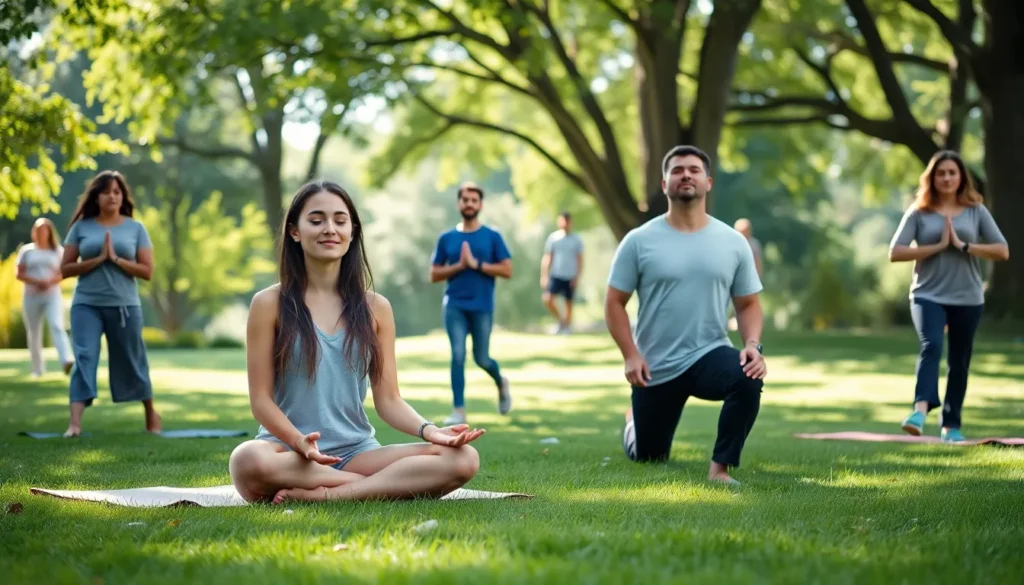
In a world where stress seems to be the uninvited guest at every gathering, mindfulness practices have emerged as the ultimate party trick for the mind. Who knew that simply watching your breath could be more entertaining than scrolling through endless cat videos? By embracing mindfulness, one can transform mundane moments into opportunities for peace and clarity, all while enjoying the benefits of a calmer mind.
Table of Contents
ToggleOverview of Mindfulness Practices
Mindfulness practices involve techniques that cultivate awareness and focus in the present moment. They enhance emotional well-being and reduce stress. Common methods include breath awareness, body scanning, and mindful walking. Each practice offers unique benefits, such as increased focus and reduced anxiety.
Breath awareness centers attention on inhalation and exhalation. This simple technique helps anchor thoughts, promoting a feeling of calm. Body scanning encourages individuals to notice physical sensations without judgment. This practice enhances body awareness and relaxation.
Mindful walking integrates movement with mindfulness. Participants pay attention to each step, fostering a deep connection between mind and body. Techniques like gratitude journaling deepen the mindfulness experience by encouraging reflection on positive aspects of life. Using these tools, individuals can create a more intentional daily routine.
Various apps and websites offer guided mindfulness sessions. These resources make it accessible for anyone interested in trying mindfulness techniques without cost. Popular platforms include Insight Timer, Headspace, and Calm. They provide diverse practices catering to different preferences and schedules.
Research supports the effectiveness of regular mindfulness practice in reducing anxiety and improving focus. Studies indicate that just a few minutes of mindfulness each day can lead to significant improvements in mental clarity and emotional health. Data shows individuals who engage in mindfulness experience greater life satisfaction and lower stress levels.
Overall, mindfulness practices represent an effective strategy for achieving inner peace in today’s fast-paced world. Tools and resources are widely available for those eager to explore and implement mindfulness techniques into their lives.
Benefits of Mindfulness
Mindfulness practices offer numerous advantages that positively impact various aspects of life. Individuals frequently experience notable improvements in mental and physical health through these techniques.
Mental Health Improvements
Mindfulness enhances emotional resilience and reduces symptoms of anxiety and depression. Regular practice helps develop a greater awareness of thoughts and feelings, allowing individuals to manage stress effectively. Studies indicate that just 10 minutes of daily mindfulness can significantly boost mood stability and reduce rumination. Furthermore, mindfulness cultivates self-compassion, which supports better relationships and increases overall life satisfaction. Engaging with these practices leads to improved focus and decision-making abilities, enabling individuals to navigate challenges with clarity and confidence.
Physical Health Benefits
Mindfulness practices contribute to better overall physical health by lowering blood pressure and improving sleep quality. Consistent engagement in mindfulness can result in reduced chronic pain and enhanced immune response. Research shows that participants in mindfulness programs often report fewer physical symptoms of stress, such as headaches and gastrointestinal issues. Deepening the connection between mind and body encourages healthier lifestyle choices. These practices also promote regular exercise and better nutrition, creating a holistic approach to wellness that benefits the body as well as the mind.
Free Resources for Watching Mindfulness Practices
Various resources exist for individuals interested in exploring mindfulness practices at no cost. Accessing online platforms and mobile applications can enhance one’s mindfulness journey.
Online Platforms
Several websites offer free guided mindfulness sessions. Insight Timer provides a vast library of recordings led by experienced instructors. While Headspace includes a selection of free meditations suitable for beginners, Calm offers short content to promote relaxation. All these platforms cater to varying preferences, ensuring individuals find the right fit for their mindfulness practice. Users can take advantage of community features as well, connecting with like-minded individuals for support and motivation.
Mobile Applications
Free mindfulness apps simplify daily practice. Insight Timer stands out with its extensive catalog of guided meditations and sleep aids. Similarly, Smiling Mind focuses on tailored programs for different age groups, making it accessible for all. Calm and Headspace also provide limited free versions that introduce their core techniques. Using these apps, users can incorporate mindfulness into hectic schedules, fostering emotional resilience and clarity in just a few minutes each day.
Popular Mindfulness Practices to Watch
Mindfulness practices offer various engaging options to enhance well-being and reduce stress. Explore these popular techniques to find what resonates.
Guided Meditations
Guided meditations lead individuals through focused sessions that promote relaxation and mindfulness. Many platforms, like Insight Timer and Calm, provide free recorded sessions, varying in length and theme. New users can easily select meditations designed for specific states, such as stress relief or improved sleep. These sessions combine peaceful narration with ambient sounds, deepening the meditative experience. Skilled instructors often deliver guidance, helping participants maintain focus and awareness.
Breathing Exercises
Breathing exercises involve simple, yet effective techniques to calm the mind and body. Practitioners can engage in deep breathing, counting inhalations and exhalations to encourage mindfulness. Most resources offer demonstrations that guide individuals on the proper pace and rhythm. Several apps include timed breathing exercises, allowing users to integrate them into their daily routines. Regular practice improves focus and emotional regulation, making it a valuable tool for stress management. Mindful breathing can also be adapted for use in various situations, enhancing overall emotional resilience.
Embracing mindfulness practices can transform everyday experiences into moments of clarity and calm. With a wealth of free resources available online, anyone can easily access guided sessions and techniques that fit their lifestyle. Whether through breath awareness or mindful walking, these practices not only enhance emotional well-being but also foster a deeper connection to the present moment.
As individuals incorporate mindfulness into their routines, they may discover significant improvements in mental clarity and emotional health. By taking advantage of the tools at their disposal, they can cultivate resilience and enjoy a more fulfilling life. The journey toward mindfulness is accessible and rewarding, paving the way for lasting peace and wellness.